

Waxes – Small Ingredients with a Huge Range of Applications in Modern Manufacturing
At first glance, wax may seem like a simple material with rather ordinary applications. However, behind this seemingly simple product lies an extremely diverse class of materials, without which many modern manufacturing processes would look quite different. From cosmetics and pharmaceuticals to the food industry, packaging, candles, winemaking and technical applications, waxes perform a wide range of functions. They can create a protective layer, add gloss, improve texture, provide moisture resistance, facilitate technological processes or simply give the finished product a refined appearance.
Waxes can be natural, mineral, synthetic or obtained through the processing of various raw materials. Some of the best-known representatives include beeswax, carnauba wax, candelilla wax, paraffin, microcrystalline wax and ozokerite.
One Material – Many Different Functions
What makes waxes particularly interesting is that they are rarely used for just one purpose. Depending on the type of wax and the specific formulation, a wax can serve as:
- a structuring agent;
- a thickener;
- a binding agent;
- a protective coating;
- a moisture barrier;
- a polishing agent;
- a texture-enhancing component;
- a release agent;
- a stabilizer;
- a component for controlling hardness and plasticity.
Waxes in the Cosmetics Industry
Cosmetics is one of the industries where waxes have an especially wide range of applications.
They are used in the formulation of creams, balms, lipsticks, decorative cosmetics, lip care products, depilatory products, hand creams and many other products.
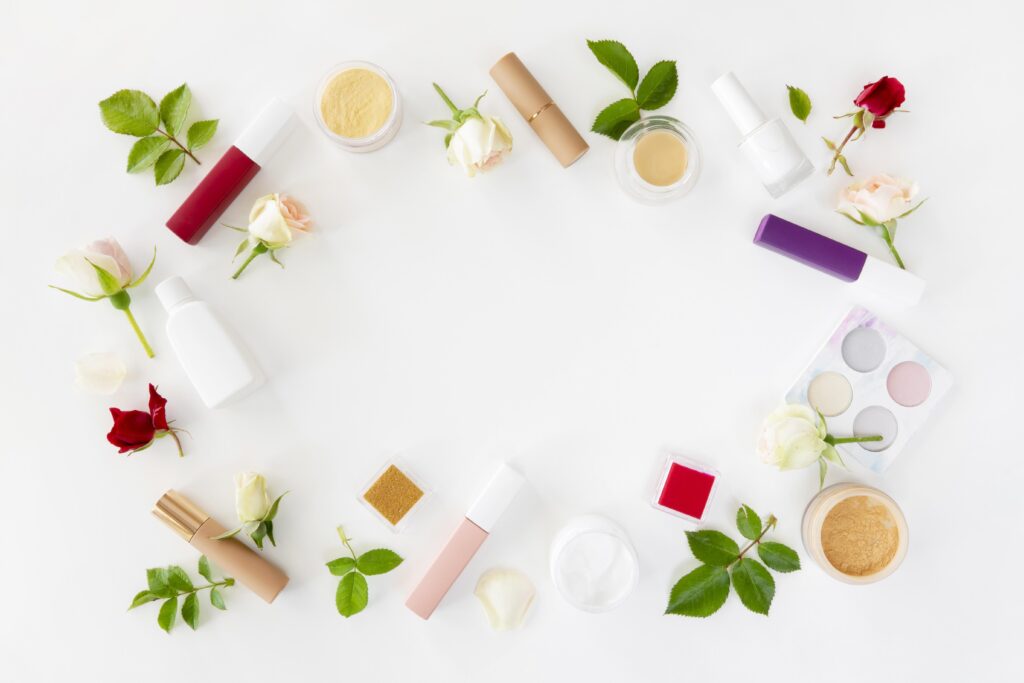
Beeswax, for example, can contribute to the density and consistency of a product, while carnauba wax is valued for its hardness and ability to provide a characteristic shine.
Microcrystalline wax, on the other hand, is known for its good plasticity and its ability to improve the structure and stability of certain formulations.
From Candles to Wine Bottles
One of the most familiar applications of waxes is in candle production. Paraffin and various specialty waxes make it possible to produce candles with different levels of hardness, structure, burning time and visual effects.
But wax also has applications in a completely different field – winemaking and wine packaging.
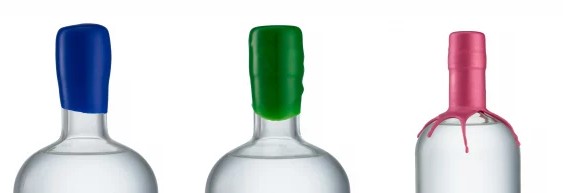
Wax coatings can be used to seal and provide a decorative finish to the neck of a bottle. In addition to creating a distinctive visual effect, they can also serve a protective function. In this way, wax becomes part of the presentation of a premium product.
The Food Industry
Certain types of waxes are also used in the food industry, including as coatings, where permitted for the intended use and compliant with applicable regulatory requirements.
Wax coatings can help reduce moisture loss, protect the surface of certain products and improve their appearance.
Pharmaceutical and Medical Applications
Waxes also play a role in pharmaceutical formulations, where they can perform a variety of technological functions.
They can contribute to achieving a specific consistency, help forming protective layers or be incorporated into specially designed systems for controlled release.
Waxes have many other applications as well. This demonstrates why it is important not to think of “wax” as a single product. The differences between individual types can be significant, and these differences determine their specific applications.
From the softness of a balm and the shine of a cosmetic product to packaging protection and the sealing of a wine bottle, waxes are all around us. They are a perfect example of how a seemingly simple raw material can play an exceptionally complex and diverse role.
Acrux offers a wide range of waxes for various applications. Explore their uses here.